Source Transmission Engine Mount for Cars, Racing, Excavators
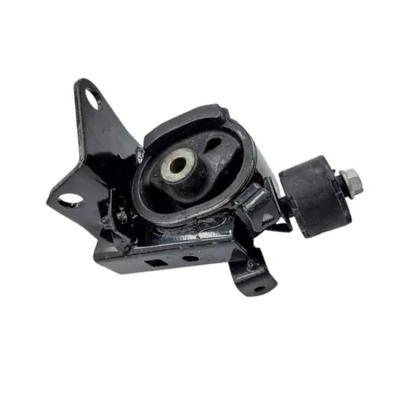
Find 30 transmission engine mount options from verified Chinese suppliers. Buyers can compare specifications like material, certifications, and delivery times for automotive and industrial applications. Explore various types including V type and A type mounts with customizable features and standard sizes suitable for Ford and other car makes.
Key considerations
Products List




Comprehensive Sourcing Guide
Transmission Engine Mount Sourcing Guide
Procuring transmission engine mounts requires a disciplined approach to balancing mechanical integrity with commercial viability. These components serve as critical interfaces between the powertrain and the vehicle chassis, absorbing vibrations and managing torque loads during operation. Buyers must recognize that not all mounts are interchangeable, as variations in material composition, mounting geometry, and damping characteristics significantly impact vehicle performance and longevity. The sourcing process begins with a clear definition of operational requirements, ensuring that the selected components align with the specific engineering constraints of the target application.
Successful procurement also hinges on understanding the diverse supply landscape, which ranges from standardized aftermarket parts to custom-engineered solutions for racing or heavy-duty use. Observing market listings reveals a wide spectrum of options, including iron and aluminum alloy constructions, each offering distinct advantages in terms of weight, durability, and cost. Buyers should navigate this variety by prioritizing verified technical specifications over generic marketing claims, ensuring that every selected mount meets the precise dimensional and functional demands of the assembly line or maintenance schedule.
Product Scope and Observed Listing Signals
The current market for transmission engine mounts displays a broad range of product types, including V-type and A-type configurations, which cater to different vehicle architectures and mounting orientations. Listings often highlight specific applications such as car engines, racing cars, and even heavy machinery like excavators, indicating the versatility of available components. Buyers should note that customization is frequently available, allowing for tailored solutions that address unique spatial or performance constraints. This flexibility is particularly valuable for original equipment manufacturers and specialized aftermarket suppliers who require precise fitment for niche vehicle models.
Material composition is a key differentiator in observed listings, with options ranging from iron and steel to aluminum alloy and natural rubber (NR) for shock-reducing elements. These material choices directly influence the mount’s weight, strength, and vibration-damping capabilities. For instance, aluminum alloy mounts may be preferred for weight-sensitive applications, while iron or steel components offer robust durability for high-torque environments. Additionally, surface treatments such as sand blasting and specific roughness values like Ra6.3 are noted in some listings, suggesting a focus on surface preparation that enhances coating adhesion or corrosion resistance.
Technical Specifications to Verify
Dimensional accuracy and machining tolerance are paramount when verifying transmission engine mounts, as even minor deviations can lead to improper fitment or premature failure. Buyers should confirm that components adhere to standard sizes or custom specifications, with tolerances typically ranging around +/-0.10mm for precision-cast parts. The casting method, whether thermal gravity casting or lost wax casting, also plays a crucial role in determining the internal structure and mechanical properties of the mount. Understanding these manufacturing processes helps buyers assess the potential for internal defects and the overall structural integrity of the component under stress.
Model numbers and part identifiers, such as LR000597-1 or 6t30, serve as critical reference points for ensuring compatibility with specific vehicle makes like Ford. Buyers must cross-reference these identifiers with official technical diagrams to verify correct positioning, such as front or rear placement, and ensure that the component matches the required junction plate type, whether upper or lower. Additionally, verifying the application scope, whether for general car engine parts or specialized racing applications, ensures that the selected mount can withstand the intended operational loads and environmental conditions.
Compliance and Safety Documentation
Certification status is a vital indicator of a supplier’s commitment to quality and regulatory compliance. Listings often mention certifications such as ISO 9001, CE, RoHS, and TS16949, which signify adherence to international quality management and environmental standards. Buyers should verify that these certifications are current and applicable to the specific components being purchased, as they provide assurance that the manufacturing processes meet rigorous safety and performance benchmarks. Documentation should be readily available for audit purposes, ensuring that all supplied parts comply with relevant industry regulations.
Quality control measures, including 100% testing and inspection using calipers, are essential for maintaining consistency across production batches. Buyers should request detailed inspection reports that confirm dimensional accuracy and material integrity, ensuring that each mount meets the specified standards. Additionally, warranties, such as a 12-month coverage, offer an additional layer of protection against defects, providing buyers with recourse in case of premature failure. These documentation requirements help mitigate risk and ensure that the sourced components deliver reliable performance over their intended service life.
Cost Drivers and Commercial Terms
Pricing for transmission engine mounts varies significantly based on material, complexity, and order volume, with observed ranges spanning from low-cost aftermarket parts to premium custom solutions. Buyers should consider the total cost of ownership, which includes not only the unit price but also shipping, handling, and potential rework costs due to fitment issues. Minimum order quantities (MOQ) can also impact pricing, with negotiated terms often available for larger volumes. Understanding these cost drivers allows buyers to optimize their procurement strategy and achieve better value without compromising on quality.
Payment terms and delivery times are critical commercial factors that influence cash flow and production scheduling. Common payment methods include T/T and L/C, offering flexibility for different financial arrangements. Delivery times typically range from 15 to 45 days, depending on the complexity of the order and the supplier’s production capacity. Buyers should negotiate clear delivery schedules and packaging requirements, such as wooden packages or neutral packaging, to ensure that components arrive in optimal condition and are ready for immediate assembly or storage.
Supplier Qualification and Quality Control
Supplier qualification involves a thorough assessment of manufacturing capabilities, quality management systems, and track record. Buyers should verify that suppliers possess the necessary certifications and have a proven history of producing high-quality components. Inspecting the supplier’s facility, if possible, can provide insights into their production processes, quality control measures, and overall operational efficiency. This due diligence helps ensure that the supplier can consistently meet the buyer’s requirements for quality, delivery, and service.
Quality control protocols should be clearly defined and agreed upon before production begins. This includes specifying inspection criteria, acceptance standards, and procedures for handling non-conforming products. Buyers should also establish clear communication channels for addressing any issues that arise during the procurement process. By maintaining a proactive approach to quality management, buyers can minimize the risk of defects and ensure that the sourced transmission engine mounts meet the highest standards of performance and reliability.
Long-Term Procurement Checks
Establishing long-term procurement relationships requires ongoing monitoring of supplier performance and product quality. Buyers should regularly review key performance indicators, such as delivery times, defect rates, and responsiveness to issues, to ensure that suppliers continue to meet expectations. Continuous feedback loops between the buyer and supplier can help identify areas for improvement and foster a collaborative environment focused on mutual success. This proactive management approach helps maintain a stable supply chain and reduces the risk of disruptions.
Adapting to changing market conditions and technological advancements is essential for long-term procurement success. Buyers should stay informed about industry trends, new materials, and emerging manufacturing techniques that could impact the performance or cost of transmission engine mounts. Regularly updating technical specifications and qualification criteria ensures that the procurement strategy remains aligned with evolving business needs. By maintaining a flexible and informed approach, buyers can secure a competitive advantage and ensure the continued reliability of their powertrain systems.
FAQs
What materials are used for transmission engine mounts?
Transmission engine mounts are commonly made from iron, steel, or aluminum alloy depending on the specific application. Some units incorporate shock-reducing rubber material like NR for vibration dampening. The choice of material ensures durability and performance for various vehicle types including cars and racing cars.
Can I request custom packaging for these engine mounts?
Yes, customization is available for packaging requirements. Buyers can request wooden packages, neutral packages, or specific packing solutions tailored to their needs. This flexibility allows for secure transport and compliance with diverse logistical standards across different international shipping routes.
What certifications do these engine mounts typically hold?
These components often carry certifications such as CE, RoHS, ISO 9001, and ISO/TS16949. Some products also meet COP and ISO E-Mark standards. These certifications verify that the manufacturing processes and final products adhere to strict international quality and safety requirements for automotive applications.
How long is the delivery time for engine mounts?
The standard delivery time ranges from 15 to 45 days depending on order volume and customization. Some specific models may have a fixed 30-day lead time. Buyers should confirm exact timelines based on their specific order requirements and the supplier's current production capacity.
Which car makes are compatible with these engine mounts?
These mounts are designed for various car makes including Ford and other standard automotive applications. They serve as critical components for car engines and racing cars. Compatibility depends on the specific model number and application requirements, ensuring a precise fit for the intended vehicle system.
What is the minimum order quantity for these mounts?
The minimum order quantity can be negotiated and typically ranges from 1 to 1000 units. This flexibility allows buyers to place small trial orders or large bulk purchases. Specific MOQs may vary based on the product model and the customization level required for the order.
How are these engine mounts inspected for quality?
Products undergo rigorous quality control including 100% testing and inspection using calipers. Machining tolerances are maintained within +/-0.10mm for precision. Additional processes like sand blasting and thermal gravity casting ensure high standards before the items are packed and shipped to customers.